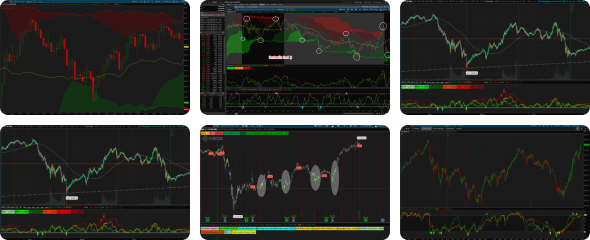
Hey guys I actually dont day trade these stocks anymore but I did for awhile back last year. (reason I dont trade is because I use strictly cash only accounts in which the capital required became an obstacle to me). Here is the scan I used and it still works:
Volume: min 600,000 max: open
Last: min $0.50 max: $15
shares: min: open max: 70 million
%change: min 3% max: open
Study: custom: plot scan = close>=(open*1.04); sort by D (day)
The trick to trading these stocks is not focusing yourself with the initial move up from premarket. Its almost pure luck that you can get in before then. The way the scan is designated to work is to find the stocks that have made the move already, hence you will see a lot of stocks that hit the high premarket and fall back down.
RV1 comes into play as it helps you designate where the most volume is being traded for the day. Trading the low floats is all about momentum. The more the rv1 the higher chance that that stock moves. Its not always the case but thats where your trading plan comes into play. Stocks that dont register the rv1 are a toss up. I used to sort by total volume not by highest rv1. It helps with the non registering rv1 in the column.
I also found this indicator to be very helpful:
https://usethinkscript.com/threads/custom-thinkscript-volume-stats-for-thinkorswim.970/. The breakdown of volume based on 30day avgs is useful. Another tool to designate high momentum stocks.
*just from my experience opening bell trades ****. The best moves happen 5 to 30 min after market open. Waiting for the pull back worked for me the best. Playing the breakout caused more pain than anything, once in awhile you can get lucky with a parabolic move but what usually happens is that short sellers are looking to drop stock. So sometimes you might get caught up in a false breakout.
Hope this helps anyone.