

You should upgrade or use an alternative browser.
Opening Range Breakout Indicator for ThinkorSwim
- Thread starter BenTen
- Start date

New Indicator: Buy the Dip
Check out our Buy the Dip indicator and see how it can help you find profitable swing trading ideas. Scanner, watchlist columns, and add-ons are included.

it will work ,what i did is ,added the script twice and left one as is and changed the other to Asia opening time. hope this helps.I like to trade ES and like pre-market and after-hour market. Will that not work if I do not Disable pre-market and after-hour market?

I have added your script but it doesn't look like your screenshots, any ideas why? View attachment 24103
Good news!
Yes, that is the layout for the opening range breakout.
Except:
- Disable pre-market and after-hour market
I need help with several indicators I have been using them for a short time and I have a hard time understanding them.PC
I also want to know from these indicators the white support and the short ok I know it is a PUT but the point that comes out that means
http://tos.mx/!xke7riG8
This indicator is what I need to understand.
View attachment 24462
I need help with several indicators I have been using them for a short time and I have a hard time understanding them.PC
View attachment 24463
View attachment 24464
I also want to know from these indicators the white support and the short ok I know it is a PUT but the point that comes out that means
http://tos.mx/!xke7riG8
This indicator is what I need to understand.
This is the Opening Range Breakout Strategy
You will find that the 12 pages in this thread discuss in-depth its use.
Keep this in mind:
https://usethinkscript.com/threads/...dicator-for-thinkorswim.16/page-9#post-134700
ORB strategies are one of the oldest day trading strategies.
So there is also much discussion of ORBs on the web.
Looking at Mobius' notes in thinkscript_Cloud, and found this:
Mobius' additional rules for trading ORB:
Advance/Decline Line Indicator (AD)
Mobius' RSI-L notes:
Mobius' rules for trading Pivots:
Mobius' LRC notes:
Using Monthly POC's as additional support/resistance areas:
Hope this additional info helps!


- the market open volume report — which tells you if the day will likely be high or low volume based on the opening period
- the opening candle continuation report — which predicts if the day will close green or red based on the first 60 minutes
- the inside bars report — which tells you how likely price is to tag yesterday's high or low
- how to combine these three reports to build a complete trading plan for the day
- real examples showing how this combination creates high-probability setups or warns you to stay out of the market
airreyservice1994@hotmail
New member
hi buddy can you explain me how to add the cloud? I am getting it but except for the green and red cloud thanksGreat job to whoever wrote this code. I am not trying to step on any toes here as this is not my code. I edited the ORBI code as follows and it appears to work great with the super trend. Not sure if I did this correctly though. I took code from 2 different places In this thread if i remember. You have to remember to go to the settings of the study and turn on the cloud, alert, and show today only if you are only viewing a "today" chart, then also go to the chart settings in TOS, under equities and adjust to hide or show closed times. I just have not jumped in and started to use it yet. I tried once or twice with $tsla and find it is hard to be quick, so I have to play with my time frames, 2-3 min vs 5 min vs 15 min.
Code:declare Hide_On_Daily; declare Once_per_bar; input OrMeanS = 0930.0; #hint OrMeanS: Begin Mean Period. Usually Market Open EST. input OrMeanE = 0935.0; #hint OrMeanE: End Mean period. Usually End of first bar. input OrBegin = 0930.0; #hint OrBegin: Beginning for Period of Opening Range Breakout. input OrEnd = 1000.0; #hint OrEnd: End of Period of Opening Range Breakout. input CloudOn = no; #hint CloudOn: Clouds Opening Range. input AlertOn = yes; #hint AlertOn: Alerts on cross of Opening Range. input ShowTodayOnly = {"No", default "Yes"}; input nAtr = 4; #hint nATR: Lenght for the ATR Risk and Target Lines. input AtrTargetMult = 2.0; #hint ATRmult: Multiplier for the ATR calculations. def h = high; def l = low; def c = close; def bar = barNumber(); def s = ShowTodayOnly; def ORActive = if secondsTillTime(OrMeanE) > 0 and secondsFromTime(OrMeanS) >= 0 then 1 else 0; def today = if s == 0 or getDay() == getLastDay() and secondsFromTime(OrMeanS) >= 0 then 1 else 0; def ORHigh = if ORHigh[1] == 0 or ORActive[1] == 0 and ORActive == 1 then h else if ORActive and h > ORHigh[1] then h else ORHigh[1]; def ORLow = if ORLow[1] == 0 or ORActive[1] == 0 and ORActive == 1 then l else if ORActive and l < ORLow[1] then l else ORLow[1]; def ORWidth = ORHigh - ORLow; def na = double.nan; def ORHA = if ORActive or today < 1 then na else ORHigh; def ORLA = if ORActive or today < 1 then na else ORLow; def O = ORHA - Round(((ORHA - ORLA) / 2) / TickSize(), 0) * TickSize(); def ORActive2 = if secondsTillTime(OREnd) > 0 and secondsFromTime(ORBegin) >= 0 then 1 else 0; def ORHigh2 = if ORHigh2[1] == 0 or ORActive2[1] == 0 and ORActive2 == 1 then h else if ORActive2 and h > ORHigh2[1] then h else ORHigh2[1]; def ORLow2 = if ORLow2[1] == 0 or ORActive2[1] == 0 and ORActive2 == 1 then l else if ORActive2 and l < ORLow2[1] then l else ORLow2[1]; def ORWidth2 = ORHigh2 - ORLow2; def TimeLine = if secondsTillTime(OREnd) == 0 then 1 else 0; def ORmeanBar = if !ORActive and ORActive[1] then barNumber() else ORmeanBar[1]; def ORendBar = if !ORActive2 and ORActive2[1] then barNumber() else ORendBar[1]; def ORL = if (o == 0 , na, o); plot ORLext = if barNumber() >= highestAll(ORmeanBar) then HighestAll(if isNaN(c[-1]) then ORL[1] else double.nan) else double.nan; ORLext.SetDefaultColor(color.Yellow); ORLext.SetStyle(curve.Long_DASH); ORLext.SetLineWeight(3); ORLext.HideTitle(); def ORH2 = if ORActive2 or today < 1 then na else ORHigh2; plot ORH2ext = if barNumber() >= highestAll(ORendBar) then HighestAll(if isNaN(c[-1]) then ORH2[1] else double.nan) else double.nan; ORH2ext.SetDefaultColor(color.Green); ORH2ext.SetStyle(curve.Long_DASH); ORH2ext.SetLineWeight(3); ORH2ext.HideTitle(); def ORL2 = if ORActive2 or today < 1 then na else ORLow2; plot ORL2ext = if barNumber() >= highestAll(ORendBar) then HighestAll(if isNaN(c[-1]) then ORL2[1] else double.nan) else double.nan; ORL2ext.SetDefaultColor(color.Red); ORL2ext.SetStyle(curve.Long_DASH); ORL2ext.SetLineWeight(3); ORL2ext.HideTitle(); def RelDay = (ORL - ORL2) / (ORH2 - ORL2); def dColor = if RelDay > .5 then 5 else if RelDay < .5 then 6 else 4; def pos = (ORH2 - ORL2)/10; plot d1 = if (TimeLine , ORH2, na); plot d2 = if (TimeLine , ORH2 - ( pos * 2), na); plot d3 = if (TimeLine , ORH2 - ( pos * 3), na); plot d4 = if (TimeLine , ORH2 - ( pos * 4), na); plot d5 = if (TimeLine , ORH2 - ( pos * 5), na); plot d6 = if (TimeLine , ORH2 - ( pos * 6), na); plot d7 = if (TimeLine , ORH2 - ( pos * 7), na); plot d8 = if (TimeLine , ORH2 - ( pos * 8), na); plot d9 = if (TimeLine , ORH2 - ( pos * 9), na); plot d10 = if (TimeLine ,(ORL2), na); d1.SetPaintingStrategy(PaintingStrategy.POINTS); d2.SetPaintingStrategy(PaintingStrategy.POINTS); d3.SetPaintingStrategy(PaintingStrategy.POINTS); d4.SetPaintingStrategy(PaintingStrategy.POINTS); d5.SetPaintingStrategy(PaintingStrategy.POINTS); d6.SetPaintingStrategy(PaintingStrategy.POINTS); d7.SetPaintingStrategy(PaintingStrategy.POINTS); d8.SetPaintingStrategy(PaintingStrategy.POINTS); d9.SetPaintingStrategy(PaintingStrategy.POINTS); d10.SetPaintingStrategy(PaintingStrategy.POINTS); d1.AssignValueColor(GetColor(Dcolor)); d2.AssignValueColor(GetColor(Dcolor)); d3.AssignValueColor(GetColor(Dcolor)); d4.AssignValueColor(GetColor(Dcolor)); d5.AssignValueColor(GetColor(Dcolor)); d6.AssignValueColor(GetColor(Dcolor)); d7.AssignValueColor(GetColor(Dcolor)); d8.AssignValueColor(GetColor(Dcolor)); d9.AssignValueColor(GetColor(Dcolor)); d10.AssignValueColor(GetColor(Dcolor)); d1.HideBubble(); d2.HideBubble(); d3.HideBubble(); d4.HideBubble(); d5.HideBubble(); d6.HideBubble(); d7.HideBubble(); d8.HideBubble(); d9.HideBubble(); d10.HideBubble(); d1.HideTitle(); d2.HideTitle(); d3.HideTitle(); d4.HideTitle(); d5.HideTitle(); d6.HideTitle(); d7.HideTitle(); d8.HideTitle(); d9.HideTitle(); d10.HideTitle(); addCloud(if CloudOn == yes then orl else double.nan , orl2,createColor(244,83,66), createColor(244,83,66)); addCloud(if CloudOn == yes then orl else double.nan , orh2,createColor(66,244,131), createColor(66,244,131)); # Begin Risk Algorithm # First Breakout or Breakdown bars def Bubbleloc1 = isNaN(close[-1]); def BreakoutBar = if ORActive then double.nan else if !ORActive and c crosses above ORH2 then bar else if !isNaN(BreakoutBar[1]) and c crosses ORH2 then BreakoutBar[1] else BreakoutBar[1]; def ATR = if ORActive2 then Round((Average(TrueRange(h, c, l), nATR)) / TickSize(), 0) * TickSize() else ATR[1]; def cond1 = if h > ORH2 and h[1] <= ORH2 then Round((ORH2 + (ATR * AtrTargetMult)) / TickSize(), 0) * TickSize() else cond1[1]; plot ORLriskUP = if bar >= OREndBar and !ORActive and today then HighestAll(ORH2ext - 2) else double.nan; ORLriskUP.SetStyle(Curve.Long_Dash); ORLriskUP.SetDefaultColor(Color.Green); ORLriskUP.HideTitle(); def crossUpBar = if close crosses above ORH2 then bar else double.nan; AddChartBubble(bar == HighestAll(crossUpBar), ORLriskUP, "RiskON ORH", color.green, no); plot ORLriskDN = if bar >= OREndBar and !ORActive and close < ORL then HighestAll(ORL2ext + 2) else double.nan; ORLriskDN.SetStyle(Curve.Long_Dash); ORLriskDN.SetDefaultColor(Color.Red); ORLriskDN.HideTitle(); def crossDnBar = if close crosses below ORL2ext then bar else double.nan; AddChartBubble(bar == HighestAll(crossDnBar), HighestAll(ORLriskDN), "Risk ON ORL", color.red, yes); # High Targets plot Htarget = if bar >= BreakoutBar then cond1 else double.nan; Htarget.SetPaintingStrategy(paintingStrategy.Squares); Htarget.SetLineWeight(1); Htarget.SetDefaultColor(Color.White); Htarget.HideTitle(); AddChartBubble(BubbleLoc1, Htarget, "RO", color.white, if c > Htarget then no else yes); def condHtarget2 = if c crosses above cond1 then Round((cond1 + (ATR * AtrTargetMult)) / TickSize(), 0) * TickSize() else condHtarget2[1]; plot Htarget2 = if bar >= BreakoutBar then condHtarget2 else double.nan; Htarget2.SetPaintingStrategy(PaintingStrategy.Squares); Htarget2.SetLineWeight(1); Htarget2.SetDefaultColor(Color.Plum); Htarget2.HideTitle(); AddChartBubble(BubbleLoc1, Htarget2, "2nd T", color.plum, if c > Htarget2 then no else yes); def condHtarget3 = if c crosses above condHtarget2 then Round((condHtarget2 + (ATR * AtrTargetMult)) / TickSize(), 0) * TickSize() else condHtarget3[1]; plot Htarget3 = if bar >= BreakoutBar then condHtarget3 else double.nan; Htarget3.SetPaintingStrategy(PaintingStrategy.Squares); Htarget3.SetLineWeight(1); Htarget3.SetDefaultColor(Color.Plum); Htarget3.HideTitle(); AddChartBubble(isNaN(C[-1]), Htarget3, "3rd T", color.plum, if c > Htarget3 then no else yes); def condHtarget4 = if c crosses above condHtarget3 then Round((condHtarget3 + (ATR * AtrTargetMult)) / TickSize(), 0) * TickSize() else condHtarget4[1]; plot Htarget4 = if bar >= HighestAll(BreakoutBar) then condHtarget4 else double.nan; Htarget4.SetPaintingStrategy(PaintingStrategy.Squares); Htarget4.SetLineWeight(1); Htarget4.SetDefaultColor(Color.Plum); Htarget4.HideTitle(); AddChartBubble(BubbleLoc1, Htarget4, "4th T", color.plum, if c > Htarget4 then no else yes); def condHtarget5 = if c crosses above condHtarget4 then Round((condHtarget4 + (ATR * AtrTargetMult)) / TickSize(), 0) * TickSize() else condHtarget5[1]; plot Htarget5 = if bar >= BreakoutBar then condHtarget5 else double.nan; Htarget5.SetPaintingStrategy(PaintingStrategy.Squares); Htarget5.SetLineWeight(1); Htarget5.SetDefaultColor(Color.Plum); Htarget5.HideTitle(); AddChartBubble(BubbleLoc1, Htarget5, "5th T", color.plum, if c > Htarget5 then no else yes); # Low Targets def cond2 = if L < ORL2 and L[1] >= ORL2 then Round((ORL2 - (AtrTargetMult * ATR)) / TickSize(), 0) * TickSize() else cond2[1]; plot Ltarget = if bar >= HighestAll(OREndBar) then highestAll(if isNaN(c[-1]) then cond2 else double.nan) else double.nan; Ltarget.SetPaintingStrategy(PaintingStrategy.Squares); Ltarget.SetLineWeight(1); Ltarget.SetDefaultColor(Color.White); Ltarget.HideTitle(); AddChartBubble(BubbleLoc1, cond2, "RO", color.white, if c < Ltarget then yes else no); def condLtarget2 = if c crosses below cond2 then Round((cond2 - (AtrTargetMult * ATR)) / TickSize(), 0) * TickSize() else condLtarget2[1]; plot Ltarget2 = if bar >= HighestAll(OREndBar) then highestAll(if isNaN(c[-1]) then condLtarget2 else double.nan) else double.nan; Ltarget2.SetPaintingStrategy(PaintingStrategy.Squares); Ltarget2.SetLineWeight(1); Ltarget2.SetDefaultColor(Color.Plum); Ltarget2.HideTitle(); AddChartBubble(BubbleLoc1, condLtarget2, "2nd T", color.plum, if c < condLtarget2 then yes else no); def condLtarget3 = if c crosses below condLtarget2 then Round((condLtarget2 - (AtrTargetMult * ATR)) / TickSize(), 0) * TickSize() else condLtarget3[1]; plot Ltarget3 = if bar >= HighestAll(OREndBar) then highestAll(if isNaN(c[-1]) then condLtarget3 else double.nan) else double.nan; Ltarget3.SetPaintingStrategy(PaintingStrategy.Squares); Ltarget3.SetLineWeight(1); Ltarget3.SetDefaultColor(Color.Plum); Ltarget3.HideTitle(); AddChartBubble(BubbleLoc1, condLtarget3, "3rd T", color.plum, if c < Ltarget3 then yes else no); def condLtarget4 = if c crosses condLtarget3 then Round((condLtarget3 - (AtrTargetMult * ATR)) / TickSize(), 0) * TickSize() else condLtarget4[1]; plot Ltarget4 = if bar >= HighestAll(OREndBar) then highestAll(if isNaN(c[-1]) then condLtarget4 else double.nan) else double.nan; Ltarget4.SetPaintingStrategy(PaintingStrategy.Squares); Ltarget4.SetLineWeight(1); Ltarget4.SetDefaultColor(Color.Plum); Ltarget4.HideTitle(); AddChartBubble(BubbleLoc1, condLtarget4, "4th T", color.plum, if c < Ltarget4 then yes else no); def condLtarget5 = if c crosses condLtarget4 then Round((condLtarget4 - (AtrTargetMult * ATR)) / TickSize(), 0) * TickSize() else condLtarget5[1]; plot Ltarget5 = if bar >= HighestAll(OREndBar) then highestAll(if isNaN(c[-1]) then condLtarget5 else double.nan) else double.nan; Ltarget5.SetPaintingStrategy(PaintingStrategy.Squares); Ltarget5.SetLineWeight(1); Ltarget5.SetDefaultColor(Color.Plum); Ltarget5.HideTitle(); AddChartBubble(BubbleLoc1, condLtarget5, "5th T", color.plum, if c < Ltarget5 then yes else no); def last = if secondsTillTime(1600) == 0 and secondsFromTime(1600) == 0 then c[1] else last[1]; plot LastClose = if Today and last != 0 then last else Double.NaN; LastClose.SetPaintingStrategy(PaintingStrategy.Dashes); LastClose.SetDefaultColor(Color.White); LastClose.HideBubble(); LastClose.HideTitle(); AddChartBubble(SecondsTillTime(0930) == 0, LastClose, "PC", color.gray, yes); alert(c crosses above ORH2, "", Alert.Bar, Sound.Bell); alert(c crosses below ORL2, "", Alert.Bar, Sound.Ring); # End Code ORB with Risk and targets
Recently came across this cool indicator called Opening Range Breakout by Mobius. This is more than just an indicator. There is also a strategy with risk and target lines included.
thinkScript Code
After adding the indicator, I couldn't quite understand it much. From looking at it, seems more like a support and resistance indicator to me. I watched a few YouTube videos about the Opening Range Breakout and was able to make some changes to the current code. As a result, I was able to have a clear picture of what this indicator does.
Here is my own version of it:
Rich (BB code):declare Hide_On_Daily; declare Once_per_bar; input OrMeanS = 0930.0; #hint OrMeanS: Begin Mean Period. Usually Market Open EST. input OrMeanE = 0935.0; #hint OrMeanE: End Mean period. Usually End of first bar. input OrBegin = 0930.0; #hint OrBegin: Beginning for Period of Opening Range Breakout. input OrEnd = 1000.0; #hint OrEnd: End of Period of Opening Range Breakout. input CloudOn = no; #hint CloudOn: Clouds Opening Range. input AlertOn = yes; #hint AlertOn: Alerts on cross of Opening Range. input ShowTodayOnly = {"No", default "Yes"}; input nAtr = 4; #hint nATR: Lenght for the ATR Risk and Target Lines. input AtrTargetMult = 2.0; #hint ATRmult: Multiplier for the ATR calculations. def h = high; def l = low; def c = close; def bar = barNumber(); def s = ShowTodayOnly; def ORActive = if secondsTillTime(OrMeanE) > 0 and secondsFromTime(OrMeanS) >= 0 then 1 else 0; def today = if s == 0 or getDay() == getLastDay() and secondsFromTime(OrMeanS) >= 0 then 1 else 0; def ORHigh = if ORHigh[1] == 0 or ORActive[1] == 0 and ORActive == 1 then h else if ORActive and h > ORHigh[1] then h else ORHigh[1]; def ORLow = if ORLow[1] == 0 or ORActive[1] == 0 and ORActive == 1 then l else if ORActive and l < ORLow[1] then l else ORLow[1]; def ORWidth = ORHigh - ORLow; def na = double.nan; def ORHA = if ORActive or today < 1 then na else ORHigh; def ORLA = if ORActive or today < 1 then na else ORLow; def O = ORHA - Round(((ORHA - ORLA) / 2) / TickSize(), 0) * TickSize(); def ORActive2 = if secondsTillTime(OREnd) > 0 and secondsFromTime(ORBegin) >= 0 then 1 else 0; def ORHigh2 = if ORHigh2[1] == 0 or ORActive2[1] == 0 and ORActive2 == 1 then h else if ORActive2 and h > ORHigh2[1] then h else ORHigh2[1]; def ORLow2 = if ORLow2[1] == 0 or ORActive2[1] == 0 and ORActive2 == 1 then l else if ORActive2 and l < ORLow2[1] then l else ORLow2[1]; def ORWidth2 = ORHigh2 - ORLow2; def TimeLine = if secondsTillTime(OREnd) == 0 then 1 else 0; def ORmeanBar = if !ORActive and ORActive[1] then barNumber() else ORmeanBar[1]; def ORendBar = if !ORActive2 and ORActive2[1] then barNumber() else ORendBar[1]; def ORL = if (o == 0 , na, o); plot ORLext = if barNumber() >= highestAll(ORmeanBar) then HighestAll(if isNaN(c[-1]) then ORL[1] else double.nan) else double.nan; ORLext.SetDefaultColor(color.Yellow); ORLext.SetStyle(curve.Long_DASH); ORLext.SetLineWeight(3); ORLext.HideTitle(); def ORH2 = if ORActive2 or today < 1 then na else ORHigh2; plot ORH2ext = if barNumber() >= highestAll(ORendBar) then HighestAll(if isNaN(c[-1]) then ORH2[1] else double.nan) else double.nan; ORH2ext.SetDefaultColor(color.Green); ORH2ext.SetStyle(curve.Long_DASH); ORH2ext.SetLineWeight(3); ORH2ext.HideTitle(); def ORL2 = if ORActive2 or today < 1 then na else ORLow2; plot ORL2ext = if barNumber() >= highestAll(ORendBar) then HighestAll(if isNaN(c[-1]) then ORL2[1] else double.nan) else double.nan; ORL2ext.SetDefaultColor(color.Red); ORL2ext.SetStyle(curve.Long_DASH); ORL2ext.SetLineWeight(3); ORL2ext.HideTitle(); def RelDay = (ORL - ORL2) / (ORH2 - ORL2); def dColor = if RelDay > .5 then 5 else if RelDay < .5 then 6 else 4; def pos = (ORH2 - ORL2)/10; plot d1 = if (TimeLine , ORH2, na); plot d2 = if (TimeLine , ORH2 - ( pos * 2), na); plot d3 = if (TimeLine , ORH2 - ( pos * 3), na); plot d4 = if (TimeLine , ORH2 - ( pos * 4), na); plot d5 = if (TimeLine , ORH2 - ( pos * 5), na); plot d6 = if (TimeLine , ORH2 - ( pos * 6), na); plot d7 = if (TimeLine , ORH2 - ( pos * 7), na); plot d8 = if (TimeLine , ORH2 - ( pos * 8), na); plot d9 = if (TimeLine , ORH2 - ( pos * 9), na); plot d10 = if (TimeLine ,(ORL2), na); d1.SetPaintingStrategy(PaintingStrategy.POINTS); d2.SetPaintingStrategy(PaintingStrategy.POINTS); d3.SetPaintingStrategy(PaintingStrategy.POINTS); d4.SetPaintingStrategy(PaintingStrategy.POINTS); d5.SetPaintingStrategy(PaintingStrategy.POINTS); d6.SetPaintingStrategy(PaintingStrategy.POINTS); d7.SetPaintingStrategy(PaintingStrategy.POINTS); d8.SetPaintingStrategy(PaintingStrategy.POINTS); d9.SetPaintingStrategy(PaintingStrategy.POINTS); d10.SetPaintingStrategy(PaintingStrategy.POINTS); d1.AssignValueColor(GetColor(Dcolor)); d2.AssignValueColor(GetColor(Dcolor)); d3.AssignValueColor(GetColor(Dcolor)); d4.AssignValueColor(GetColor(Dcolor)); d5.AssignValueColor(GetColor(Dcolor)); d6.AssignValueColor(GetColor(Dcolor)); d7.AssignValueColor(GetColor(Dcolor)); d8.AssignValueColor(GetColor(Dcolor)); d9.AssignValueColor(GetColor(Dcolor)); d10.AssignValueColor(GetColor(Dcolor)); d1.HideBubble(); d2.HideBubble(); d3.HideBubble(); d4.HideBubble(); d5.HideBubble(); d6.HideBubble(); d7.HideBubble(); d8.HideBubble(); d9.HideBubble(); d10.HideBubble(); d1.HideTitle(); d2.HideTitle(); d3.HideTitle(); d4.HideTitle(); d5.HideTitle(); d6.HideTitle(); d7.HideTitle(); d8.HideTitle(); d9.HideTitle(); d10.HideTitle(); addCloud(if CloudOn == yes then orl else double.nan , orl2,createColor(244,83,66), createColor(244,83,66)); addCloud(if CloudOn == yes then orl else double.nan , orh2,createColor(66,244,131), createColor(66,244,131)); # Begin Risk Algorithm # First Breakout or Breakdown bars def Bubbleloc1 = isNaN(close[-1]); def BreakoutBar = if ORActive then double.nan else if !ORActive and c crosses above ORH2 then bar else if !isNaN(BreakoutBar[1]) and c crosses ORH2 then BreakoutBar[1] else BreakoutBar[1]; def ATR = if ORActive2 then Round((Average(TrueRange(h, c, l), nATR)) / TickSize(), 0) * TickSize() else ATR[1]; def cond1 = if h > ORH2 and h[1] <= ORH2 then Round((ORH2 + (ATR * AtrTargetMult)) / TickSize(), 0) * TickSize() else cond1[1]; plot ORLriskUP = if bar >= OREndBar and !ORActive and today then HighestAll(ORH2ext - 2) else double.nan; ORLriskUP.SetStyle(Curve.Long_Dash); ORLriskUP.SetDefaultColor(Color.Green); ORLriskUP.HideTitle(); def crossUpBar = if close crosses above ORH2 then bar else double.nan; AddChartBubble(bar == HighestAll(crossUpBar), ORLriskUP, "RiskON ORH", color.green, no); plot ORLriskDN = if bar >= OREndBar and !ORActive and close < ORL then HighestAll(ORL2ext + 2) else double.nan; ORLriskDN.SetStyle(Curve.Long_Dash); ORLriskDN.SetDefaultColor(Color.Red); ORLriskDN.HideTitle(); def crossDnBar = if close crosses below ORL2ext then bar else double.nan; AddChartBubble(bar == HighestAll(crossDnBar), HighestAll(ORLriskDN), "Risk ON ORL", color.red, yes); # High Targets plot Htarget = if bar >= BreakoutBar then cond1 else double.nan; Htarget.SetPaintingStrategy(paintingStrategy.Squares); Htarget.SetLineWeight(1); Htarget.SetDefaultColor(Color.White); Htarget.HideTitle(); AddChartBubble(BubbleLoc1, Htarget, "RO", color.white, if c > Htarget then no else yes); def condHtarget2 = if c crosses above cond1 then Round((cond1 + (ATR * AtrTargetMult)) / TickSize(), 0) * TickSize() else condHtarget2[1]; plot Htarget2 = if bar >= BreakoutBar then condHtarget2 else double.nan; Htarget2.SetPaintingStrategy(PaintingStrategy.Squares); Htarget2.SetLineWeight(1); Htarget2.SetDefaultColor(Color.Plum); Htarget2.HideTitle(); AddChartBubble(BubbleLoc1, Htarget2, "2nd T", color.plum, if c > Htarget2 then no else yes); def condHtarget3 = if c crosses above condHtarget2 then Round((condHtarget2 + (ATR * AtrTargetMult)) / TickSize(), 0) * TickSize() else condHtarget3[1]; plot Htarget3 = if bar >= BreakoutBar then condHtarget3 else double.nan; Htarget3.SetPaintingStrategy(PaintingStrategy.Squares); Htarget3.SetLineWeight(1); Htarget3.SetDefaultColor(Color.Plum); Htarget3.HideTitle(); AddChartBubble(isNaN(C[-1]), Htarget3, "3rd T", color.plum, if c > Htarget3 then no else yes); def condHtarget4 = if c crosses above condHtarget3 then Round((condHtarget3 + (ATR * AtrTargetMult)) / TickSize(), 0) * TickSize() else condHtarget4[1]; plot Htarget4 = if bar >= HighestAll(BreakoutBar) then condHtarget4 else double.nan; Htarget4.SetPaintingStrategy(PaintingStrategy.Squares); Htarget4.SetLineWeight(1); Htarget4.SetDefaultColor(Color.Plum); Htarget4.HideTitle(); AddChartBubble(BubbleLoc1, Htarget4, "4th T", color.plum, if c > Htarget4 then no else yes); def condHtarget5 = if c crosses above condHtarget4 then Round((condHtarget4 + (ATR * AtrTargetMult)) / TickSize(), 0) * TickSize() else condHtarget5[1]; plot Htarget5 = if bar >= BreakoutBar then condHtarget5 else double.nan; Htarget5.SetPaintingStrategy(PaintingStrategy.Squares); Htarget5.SetLineWeight(1); Htarget5.SetDefaultColor(Color.Plum); Htarget5.HideTitle(); AddChartBubble(BubbleLoc1, Htarget5, "5th T", color.plum, if c > Htarget5 then no else yes); # Low Targets def cond2 = if L < ORL2 and L[1] >= ORL2 then Round((ORL2 - (AtrTargetMult * ATR)) / TickSize(), 0) * TickSize() else cond2[1]; plot Ltarget = if bar >= HighestAll(OREndBar) then highestAll(if isNaN(c[-1]) then cond2 else double.nan) else double.nan; Ltarget.SetPaintingStrategy(PaintingStrategy.Squares); Ltarget.SetLineWeight(1); Ltarget.SetDefaultColor(Color.White); Ltarget.HideTitle(); AddChartBubble(BubbleLoc1, cond2, "RO", color.white, if c < Ltarget then yes else no); def condLtarget2 = if c crosses below cond2 then Round((cond2 - (AtrTargetMult * ATR)) / TickSize(), 0) * TickSize() else condLtarget2[1]; plot Ltarget2 = if bar >= HighestAll(OREndBar) then highestAll(if isNaN(c[-1]) then condLtarget2 else double.nan) else double.nan; Ltarget2.SetPaintingStrategy(PaintingStrategy.Squares); Ltarget2.SetLineWeight(1); Ltarget2.SetDefaultColor(Color.Plum); Ltarget2.HideTitle(); AddChartBubble(BubbleLoc1, condLtarget2, "2nd T", color.plum, if c < condLtarget2 then yes else no); def condLtarget3 = if c crosses below condLtarget2 then Round((condLtarget2 - (AtrTargetMult * ATR)) / TickSize(), 0) * TickSize() else condLtarget3[1]; plot Ltarget3 = if bar >= HighestAll(OREndBar) then highestAll(if isNaN(c[-1]) then condLtarget3 else double.nan) else double.nan; Ltarget3.SetPaintingStrategy(PaintingStrategy.Squares); Ltarget3.SetLineWeight(1); Ltarget3.SetDefaultColor(Color.Plum); Ltarget3.HideTitle(); AddChartBubble(BubbleLoc1, condLtarget3, "3rd T", color.plum, if c < Ltarget3 then yes else no); def condLtarget4 = if c crosses condLtarget3 then Round((condLtarget3 - (AtrTargetMult * ATR)) / TickSize(), 0) * TickSize() else condLtarget4[1]; plot Ltarget4 = if bar >= HighestAll(OREndBar) then highestAll(if isNaN(c[-1]) then condLtarget4 else double.nan) else double.nan; Ltarget4.SetPaintingStrategy(PaintingStrategy.Squares); Ltarget4.SetLineWeight(1); Ltarget4.SetDefaultColor(Color.Plum); Ltarget4.HideTitle(); AddChartBubble(BubbleLoc1, condLtarget4, "4th T", color.plum, if c < Ltarget4 then yes else no); def condLtarget5 = if c crosses condLtarget4 then Round((condLtarget4 - (AtrTargetMult * ATR)) / TickSize(), 0) * TickSize() else condLtarget5[1]; plot Ltarget5 = if bar >= HighestAll(OREndBar) then highestAll(if isNaN(c[-1]) then condLtarget5 else double.nan) else double.nan; Ltarget5.SetPaintingStrategy(PaintingStrategy.Squares); Ltarget5.SetLineWeight(1); Ltarget5.SetDefaultColor(Color.Plum); Ltarget5.HideTitle(); AddChartBubble(BubbleLoc1, condLtarget5, "5th T", color.plum, if c < Ltarget5 then yes else no); def last = if secondsTillTime(1600) == 0 and secondsFromTime(1600) == 0 then c[1] else last[1]; plot LastClose = if Today and last != 0 then last else Double.NaN; LastClose.SetPaintingStrategy(PaintingStrategy.Dashes); LastClose.SetDefaultColor(Color.White); LastClose.HideBubble(); LastClose.HideTitle(); AddChartBubble(SecondsTillTime(0930) == 0, LastClose, "PC", color.gray, yes); alert(c crosses above ORH2, "", Alert.Bar, Sound.Bell); alert(c crosses below ORL2, "", Alert.Bar, Sound.Ring); # End Code ORB with Risk and targets
Shareable Link: https://tos.mx/qu3Cu0
Now that you have the indicator added, let's get some terminology out of the way.
- The green shadow is called the Bull Zone
- The red shadow is called Bear Zone
- Anywhere above the Bull Zone is called the Breakout Zone
- Anywhere below the Bear Zone is called the Breakdown Zone
Hopefully you were able to understand those terms from this picture.
View attachment 4237
The Setup
- 5 or 15 minutes timeframe
- Heikin-Ashi candlestick
- Disable pre-market and after-hour market
- TEMA (30)
- EMA (20)
- Supertrend Indicator
Usage #1: Taking Advantage of Breakout Zone
Once the stock reaches above the breakout zone, we buy calls.
Usage #2: Taking Advantage of Breakdown Zone
Do the same as above. If the stock start to go from Bear Zone to breakdown zone, we start shorting it.
Usage #3: Avoid Misleading Signals given by Supertrend
A lot of people brought up a really good point about Supertrend. That is sometimes it would give false signals. And I also seen it first hand too. The Opening Range Breakout Indicator will allows us to resolve that.
Example #1: Don't short when the candles are still in the Bull Zone.
View attachment 4238
The only time that it is reasonable to short while the candles are still in Bull Zone is: IF the candle are by the border of Bull Zone and Bear Zone. Even better if it's already crossing the border into Bear Zone.
Example #2: Don't Buy Calls in Breakdown Zone
If you think the Bear Zone is worst, wait until you buy calls in the Breakdown Zone. That's a hard pass.
View attachment 4239
Again, sometimes it may be reasonable to buy calls if the candles are crossing the border going back to Bear Zone, then you may have a chance to pull thru and get above it. But anywhere between the Bear Zone and Breakdown Zone, be cautious, especially if you're already deep down in the Breakdown Zone.
Here is another example of "don't buy calls in the Breakdown zone"
View attachment 4240
The following screenshot will tell us a few things.
View attachment 4241
- When the Supertrend is giving us a buy signal, and that candle is crossing from Bear Zone into Bull Zone, then it's potentially setting up for a call play. (circle #1)
- Unlike the rule of not buying calls when you're in Breakdown Zone, shorting when in Breakout Zone could potentially be profitable too. But only if it's reasonable. Look at circle #2. It rejected the white dotted line, which is an additional border to enter another Breakout Zone. Since it rejected the second breakout area, we could take advantage of the Supertrend signal to go short.
- Circle #3 and #4, don't short in Breakout Zone without reasonable evidence (I like to use Support and Resistance during the Breakout and Breakdown Zone).
When the Supertrend is showing a buy signal while the candle is in Bull Zone then it's fairly safe to take it. When Supertrend is showing a short signal while the candle s in Bear Zone, then it's fairly safe to short at that point. Treat these zones as the home of Bears and Bulls.
I think the concept is pretty simple and straightforward here. Give it a spin and let me know how it goes for you guys.
Feel free to post questions, ideas, or any additional finding from this indicator.
P.S: I'll let Steve talk more about the usage of TEMA and EMA when he's on.
Update: A different version with Fibonacci Levels.
Here is the scanner for anyone interested.
@BenTen
anyupdate how to add the those bull and bear zones? I added the orb but didnt look like this

I don't see the red/green shaded areas.hi buddy can you explain me how to add the cloud? I am getting it but except for the green and red cloud thanks
How do you turn on the buy/sell bubbles?hi buddy can you explain me how to add the cloud? I am getting it but except for the green and red cloud thanks

How do you turn on the buy/sell bubbles?
Comment out or remove the AddChartBubble functions in the code.
That didn't do anything. None of the stuff shows up on the chart now.Comment out or remove the AddChartBubble functions in the code.
That didn't do anything. None of the stuff shows up on the chart now.
The following chart link shows the studies in post #1 with the clouds turned on for the opening range study and bubbles in the supertrend study at the input screens. The link has both studies included in the studies screen.
https://tos.mx/!TkTeZCxI

RO (Risk Off)
Risk Off trading sentiment generally means market participants are moving away from riskier assets.
RISK ON
Risk On refers to a market state where a bullish sentiment is prevalent.
Risk On trading reflects an increased appetite for risk among market participants, often associated with a strong trend.
When a price breaks out above the Opening Range High (ORH) with strong volume, it signifies bullish momentum, this period is "RISK ON".
This signals a higher probability that the upward trend will continue throughout the day.
ORH (Opening Range High)
ORH specifically defines a critical price level that is central to the ORB strategy.
It is the highest price reached during the market's initial trading period (e.g., the first 15 or 30 minutes).
This price level is used to trigger a trading signal.
A break above the ORH is a bullish signal, suggesting a strong upward trend is forming.
In contrast, the "Opening Range Low" (ORL) is the lowest price, and a break below it would be a bearish signal.
The Opening Range BreakOut Strategy is one of the oldest and most favored of profitable daytraders.
However, it requires in-depth experience with market cycles and therefore is not recommended as a beginner strategy.
@jrj4774 Given the popularity of this indicator, you will find web results that provide even more information
Hey above u mentioned in Usage 1 you saidRecently came across this cool indicator called Opening Range Breakout by Mobius. This is more than just an indicator. There is also a strategy with risk and target lines included.
thinkScript Code
After adding the indicator, I couldn't quite understand it much. From looking at it, seems more like a support and resistance indicator to me. I watched a few YouTube videos about the Opening Range Breakout and was able to make some changes to the current code. As a result, I was able to have a clear picture of what this indicator does.
Here is my own version of it:
Rich (BB code):declare Hide_On_Daily; declare Once_per_bar; input OrMeanS = 0930.0; #hint OrMeanS: Begin Mean Period. Usually Market Open EST. input OrMeanE = 0935.0; #hint OrMeanE: End Mean period. Usually End of first bar. input OrBegin = 0930.0; #hint OrBegin: Beginning for Period of Opening Range Breakout. input OrEnd = 1000.0; #hint OrEnd: End of Period of Opening Range Breakout. input CloudOn = no; #hint CloudOn: Clouds Opening Range. input AlertOn = yes; #hint AlertOn: Alerts on cross of Opening Range. input ShowTodayOnly = {"No", default "Yes"}; input nAtr = 4; #hint nATR: Lenght for the ATR Risk and Target Lines. input AtrTargetMult = 2.0; #hint ATRmult: Multiplier for the ATR calculations. def h = high; def l = low; def c = close; def bar = barNumber(); def s = ShowTodayOnly; def ORActive = if secondsTillTime(OrMeanE) > 0 and secondsFromTime(OrMeanS) >= 0 then 1 else 0; def today = if s == 0 or getDay() == getLastDay() and secondsFromTime(OrMeanS) >= 0 then 1 else 0; def ORHigh = if ORHigh[1] == 0 or ORActive[1] == 0 and ORActive == 1 then h else if ORActive and h > ORHigh[1] then h else ORHigh[1]; def ORLow = if ORLow[1] == 0 or ORActive[1] == 0 and ORActive == 1 then l else if ORActive and l < ORLow[1] then l else ORLow[1]; def ORWidth = ORHigh - ORLow; def na = double.nan; def ORHA = if ORActive or today < 1 then na else ORHigh; def ORLA = if ORActive or today < 1 then na else ORLow; def O = ORHA - Round(((ORHA - ORLA) / 2) / TickSize(), 0) * TickSize(); def ORActive2 = if secondsTillTime(OREnd) > 0 and secondsFromTime(ORBegin) >= 0 then 1 else 0; def ORHigh2 = if ORHigh2[1] == 0 or ORActive2[1] == 0 and ORActive2 == 1 then h else if ORActive2 and h > ORHigh2[1] then h else ORHigh2[1]; def ORLow2 = if ORLow2[1] == 0 or ORActive2[1] == 0 and ORActive2 == 1 then l else if ORActive2 and l < ORLow2[1] then l else ORLow2[1]; def ORWidth2 = ORHigh2 - ORLow2; def TimeLine = if secondsTillTime(OREnd) == 0 then 1 else 0; def ORmeanBar = if !ORActive and ORActive[1] then barNumber() else ORmeanBar[1]; def ORendBar = if !ORActive2 and ORActive2[1] then barNumber() else ORendBar[1]; def ORL = if (o == 0 , na, o); plot ORLext = if barNumber() >= highestAll(ORmeanBar) then HighestAll(if isNaN(c[-1]) then ORL[1] else double.nan) else double.nan; ORLext.SetDefaultColor(color.Yellow); ORLext.SetStyle(curve.Long_DASH); ORLext.SetLineWeight(3); ORLext.HideTitle(); def ORH2 = if ORActive2 or today < 1 then na else ORHigh2; plot ORH2ext = if barNumber() >= highestAll(ORendBar) then HighestAll(if isNaN(c[-1]) then ORH2[1] else double.nan) else double.nan; ORH2ext.SetDefaultColor(color.Green); ORH2ext.SetStyle(curve.Long_DASH); ORH2ext.SetLineWeight(3); ORH2ext.HideTitle(); def ORL2 = if ORActive2 or today < 1 then na else ORLow2; plot ORL2ext = if barNumber() >= highestAll(ORendBar) then HighestAll(if isNaN(c[-1]) then ORL2[1] else double.nan) else double.nan; ORL2ext.SetDefaultColor(color.Red); ORL2ext.SetStyle(curve.Long_DASH); ORL2ext.SetLineWeight(3); ORL2ext.HideTitle(); def RelDay = (ORL - ORL2) / (ORH2 - ORL2); def dColor = if RelDay > .5 then 5 else if RelDay < .5 then 6 else 4; def pos = (ORH2 - ORL2)/10; plot d1 = if (TimeLine , ORH2, na); plot d2 = if (TimeLine , ORH2 - ( pos * 2), na); plot d3 = if (TimeLine , ORH2 - ( pos * 3), na); plot d4 = if (TimeLine , ORH2 - ( pos * 4), na); plot d5 = if (TimeLine , ORH2 - ( pos * 5), na); plot d6 = if (TimeLine , ORH2 - ( pos * 6), na); plot d7 = if (TimeLine , ORH2 - ( pos * 7), na); plot d8 = if (TimeLine , ORH2 - ( pos * 8), na); plot d9 = if (TimeLine , ORH2 - ( pos * 9), na); plot d10 = if (TimeLine ,(ORL2), na); d1.SetPaintingStrategy(PaintingStrategy.POINTS); d2.SetPaintingStrategy(PaintingStrategy.POINTS); d3.SetPaintingStrategy(PaintingStrategy.POINTS); d4.SetPaintingStrategy(PaintingStrategy.POINTS); d5.SetPaintingStrategy(PaintingStrategy.POINTS); d6.SetPaintingStrategy(PaintingStrategy.POINTS); d7.SetPaintingStrategy(PaintingStrategy.POINTS); d8.SetPaintingStrategy(PaintingStrategy.POINTS); d9.SetPaintingStrategy(PaintingStrategy.POINTS); d10.SetPaintingStrategy(PaintingStrategy.POINTS); d1.AssignValueColor(GetColor(Dcolor)); d2.AssignValueColor(GetColor(Dcolor)); d3.AssignValueColor(GetColor(Dcolor)); d4.AssignValueColor(GetColor(Dcolor)); d5.AssignValueColor(GetColor(Dcolor)); d6.AssignValueColor(GetColor(Dcolor)); d7.AssignValueColor(GetColor(Dcolor)); d8.AssignValueColor(GetColor(Dcolor)); d9.AssignValueColor(GetColor(Dcolor)); d10.AssignValueColor(GetColor(Dcolor)); d1.HideBubble(); d2.HideBubble(); d3.HideBubble(); d4.HideBubble(); d5.HideBubble(); d6.HideBubble(); d7.HideBubble(); d8.HideBubble(); d9.HideBubble(); d10.HideBubble(); d1.HideTitle(); d2.HideTitle(); d3.HideTitle(); d4.HideTitle(); d5.HideTitle(); d6.HideTitle(); d7.HideTitle(); d8.HideTitle(); d9.HideTitle(); d10.HideTitle(); addCloud(if CloudOn == yes then orl else double.nan , orl2,createColor(244,83,66), createColor(244,83,66)); addCloud(if CloudOn == yes then orl else double.nan , orh2,createColor(66,244,131), createColor(66,244,131)); # Begin Risk Algorithm # First Breakout or Breakdown bars def Bubbleloc1 = isNaN(close[-1]); def BreakoutBar = if ORActive then double.nan else if !ORActive and c crosses above ORH2 then bar else if !isNaN(BreakoutBar[1]) and c crosses ORH2 then BreakoutBar[1] else BreakoutBar[1]; def ATR = if ORActive2 then Round((Average(TrueRange(h, c, l), nATR)) / TickSize(), 0) * TickSize() else ATR[1]; def cond1 = if h > ORH2 and h[1] <= ORH2 then Round((ORH2 + (ATR * AtrTargetMult)) / TickSize(), 0) * TickSize() else cond1[1]; plot ORLriskUP = if bar >= OREndBar and !ORActive and today then HighestAll(ORH2ext - 2) else double.nan; ORLriskUP.SetStyle(Curve.Long_Dash); ORLriskUP.SetDefaultColor(Color.Green); ORLriskUP.HideTitle(); def crossUpBar = if close crosses above ORH2 then bar else double.nan; AddChartBubble(bar == HighestAll(crossUpBar), ORLriskUP, "RiskON ORH", color.green, no); plot ORLriskDN = if bar >= OREndBar and !ORActive and close < ORL then HighestAll(ORL2ext + 2) else double.nan; ORLriskDN.SetStyle(Curve.Long_Dash); ORLriskDN.SetDefaultColor(Color.Red); ORLriskDN.HideTitle(); def crossDnBar = if close crosses below ORL2ext then bar else double.nan; AddChartBubble(bar == HighestAll(crossDnBar), HighestAll(ORLriskDN), "Risk ON ORL", color.red, yes); # High Targets plot Htarget = if bar >= BreakoutBar then cond1 else double.nan; Htarget.SetPaintingStrategy(paintingStrategy.Squares); Htarget.SetLineWeight(1); Htarget.SetDefaultColor(Color.White); Htarget.HideTitle(); AddChartBubble(BubbleLoc1, Htarget, "RO", color.white, if c > Htarget then no else yes); def condHtarget2 = if c crosses above cond1 then Round((cond1 + (ATR * AtrTargetMult)) / TickSize(), 0) * TickSize() else condHtarget2[1]; plot Htarget2 = if bar >= BreakoutBar then condHtarget2 else double.nan; Htarget2.SetPaintingStrategy(PaintingStrategy.Squares); Htarget2.SetLineWeight(1); Htarget2.SetDefaultColor(Color.Plum); Htarget2.HideTitle(); AddChartBubble(BubbleLoc1, Htarget2, "2nd T", color.plum, if c > Htarget2 then no else yes); def condHtarget3 = if c crosses above condHtarget2 then Round((condHtarget2 + (ATR * AtrTargetMult)) / TickSize(), 0) * TickSize() else condHtarget3[1]; plot Htarget3 = if bar >= BreakoutBar then condHtarget3 else double.nan; Htarget3.SetPaintingStrategy(PaintingStrategy.Squares); Htarget3.SetLineWeight(1); Htarget3.SetDefaultColor(Color.Plum); Htarget3.HideTitle(); AddChartBubble(isNaN(C[-1]), Htarget3, "3rd T", color.plum, if c > Htarget3 then no else yes); def condHtarget4 = if c crosses above condHtarget3 then Round((condHtarget3 + (ATR * AtrTargetMult)) / TickSize(), 0) * TickSize() else condHtarget4[1]; plot Htarget4 = if bar >= HighestAll(BreakoutBar) then condHtarget4 else double.nan; Htarget4.SetPaintingStrategy(PaintingStrategy.Squares); Htarget4.SetLineWeight(1); Htarget4.SetDefaultColor(Color.Plum); Htarget4.HideTitle(); AddChartBubble(BubbleLoc1, Htarget4, "4th T", color.plum, if c > Htarget4 then no else yes); def condHtarget5 = if c crosses above condHtarget4 then Round((condHtarget4 + (ATR * AtrTargetMult)) / TickSize(), 0) * TickSize() else condHtarget5[1]; plot Htarget5 = if bar >= BreakoutBar then condHtarget5 else double.nan; Htarget5.SetPaintingStrategy(PaintingStrategy.Squares); Htarget5.SetLineWeight(1); Htarget5.SetDefaultColor(Color.Plum); Htarget5.HideTitle(); AddChartBubble(BubbleLoc1, Htarget5, "5th T", color.plum, if c > Htarget5 then no else yes); # Low Targets def cond2 = if L < ORL2 and L[1] >= ORL2 then Round((ORL2 - (AtrTargetMult * ATR)) / TickSize(), 0) * TickSize() else cond2[1]; plot Ltarget = if bar >= HighestAll(OREndBar) then highestAll(if isNaN(c[-1]) then cond2 else double.nan) else double.nan; Ltarget.SetPaintingStrategy(PaintingStrategy.Squares); Ltarget.SetLineWeight(1); Ltarget.SetDefaultColor(Color.White); Ltarget.HideTitle(); AddChartBubble(BubbleLoc1, cond2, "RO", color.white, if c < Ltarget then yes else no); def condLtarget2 = if c crosses below cond2 then Round((cond2 - (AtrTargetMult * ATR)) / TickSize(), 0) * TickSize() else condLtarget2[1]; plot Ltarget2 = if bar >= HighestAll(OREndBar) then highestAll(if isNaN(c[-1]) then condLtarget2 else double.nan) else double.nan; Ltarget2.SetPaintingStrategy(PaintingStrategy.Squares); Ltarget2.SetLineWeight(1); Ltarget2.SetDefaultColor(Color.Plum); Ltarget2.HideTitle(); AddChartBubble(BubbleLoc1, condLtarget2, "2nd T", color.plum, if c < condLtarget2 then yes else no); def condLtarget3 = if c crosses below condLtarget2 then Round((condLtarget2 - (AtrTargetMult * ATR)) / TickSize(), 0) * TickSize() else condLtarget3[1]; plot Ltarget3 = if bar >= HighestAll(OREndBar) then highestAll(if isNaN(c[-1]) then condLtarget3 else double.nan) else double.nan; Ltarget3.SetPaintingStrategy(PaintingStrategy.Squares); Ltarget3.SetLineWeight(1); Ltarget3.SetDefaultColor(Color.Plum); Ltarget3.HideTitle(); AddChartBubble(BubbleLoc1, condLtarget3, "3rd T", color.plum, if c < Ltarget3 then yes else no); def condLtarget4 = if c crosses condLtarget3 then Round((condLtarget3 - (AtrTargetMult * ATR)) / TickSize(), 0) * TickSize() else condLtarget4[1]; plot Ltarget4 = if bar >= HighestAll(OREndBar) then highestAll(if isNaN(c[-1]) then condLtarget4 else double.nan) else double.nan; Ltarget4.SetPaintingStrategy(PaintingStrategy.Squares); Ltarget4.SetLineWeight(1); Ltarget4.SetDefaultColor(Color.Plum); Ltarget4.HideTitle(); AddChartBubble(BubbleLoc1, condLtarget4, "4th T", color.plum, if c < Ltarget4 then yes else no); def condLtarget5 = if c crosses condLtarget4 then Round((condLtarget4 - (AtrTargetMult * ATR)) / TickSize(), 0) * TickSize() else condLtarget5[1]; plot Ltarget5 = if bar >= HighestAll(OREndBar) then highestAll(if isNaN(c[-1]) then condLtarget5 else double.nan) else double.nan; Ltarget5.SetPaintingStrategy(PaintingStrategy.Squares); Ltarget5.SetLineWeight(1); Ltarget5.SetDefaultColor(Color.Plum); Ltarget5.HideTitle(); AddChartBubble(BubbleLoc1, condLtarget5, "5th T", color.plum, if c < Ltarget5 then yes else no); def last = if secondsTillTime(1600) == 0 and secondsFromTime(1600) == 0 then c[1] else last[1]; plot LastClose = if Today and last != 0 then last else Double.NaN; LastClose.SetPaintingStrategy(PaintingStrategy.Dashes); LastClose.SetDefaultColor(Color.White); LastClose.HideBubble(); LastClose.HideTitle(); AddChartBubble(SecondsTillTime(0930) == 0, LastClose, "PC", color.gray, yes); alert(c crosses above ORH2, "", Alert.Bar, Sound.Bell); alert(c crosses below ORL2, "", Alert.Bar, Sound.Ring); # End Code ORB with Risk and targets
Shareable Link: https://tos.mx/qu3Cu0
Now that you have the indicator added, let's get some terminology out of the way.
- The green shadow is called the Bull Zone
- The red shadow is called Bear Zone
- Anywhere above the Bull Zone is called the Breakout Zone
- Anywhere below the Bear Zone is called the Breakdown Zone
Hopefully you were able to understand those terms from this picture.
View attachment 4237
The Setup
- 5 or 15 minutes timeframe
- Heikin-Ashi candlestick
- Disable pre-market and after-hour market
- TEMA (30)
- EMA (20)
- Supertrend Indicator
Usage #1: Taking Advantage of Breakout Zone
Once the stock reaches above the breakout zone, we buy calls.
Usage #2: Taking Advantage of Breakdown Zone
Do the same as above. If the stock start to go from Bear Zone to breakdown zone, we start shorting it.
Usage #3: Avoid Misleading Signals given by Supertrend
A lot of people brought up a really good point about Supertrend. That is sometimes it would give false signals. And I also seen it first hand too. The Opening Range Breakout Indicator will allows us to resolve that.
Example #1: Don't short when the candles are still in the Bull Zone.
View attachment 4238
The only time that it is reasonable to short while the candles are still in Bull Zone is: IF the candle are by the border of Bull Zone and Bear Zone. Even better if it's already crossing the border into Bear Zone.
Example #2: Don't Buy Calls in Breakdown Zone
If you think the Bear Zone is worst, wait until you buy calls in the Breakdown Zone. That's a hard pass.
View attachment 4239
Again, sometimes it may be reasonable to buy calls if the candles are crossing the border going back to Bear Zone, then you may have a chance to pull thru and get above it. But anywhere between the Bear Zone and Breakdown Zone, be cautious, especially if you're already deep down in the Breakdown Zone.
Here is another example of "don't buy calls in the Breakdown zone"
View attachment 4240
The following screenshot will tell us a few things.
View attachment 4241
- When the Supertrend is giving us a buy signal, and that candle is crossing from Bear Zone into Bull Zone, then it's potentially setting up for a call play. (circle #1)
- Unlike the rule of not buying calls when you're in Breakdown Zone, shorting when in Breakout Zone could potentially be profitable too. But only if it's reasonable. Look at circle #2. It rejected the white dotted line, which is an additional border to enter another Breakout Zone. Since it rejected the second breakout area, we could take advantage of the Supertrend signal to go short.
- Circle #3 and #4, don't short in Breakout Zone without reasonable evidence (I like to use Support and Resistance during the Breakout and Breakdown Zone).
When the Supertrend is showing a buy signal while the candle is in Bull Zone then it's fairly safe to take it. When Supertrend is showing a short signal while the candle s in Bear Zone, then it's fairly safe to short at that point. Treat these zones as the home of Bears and Bulls.
I think the concept is pretty simple and straightforward here. Give it a spin and let me know how it goes for you guys.
Feel free to post questions, ideas, or any additional finding from this indicator.
P.S: I'll let Steve talk more about the usage of TEMA and EMA when he's on.
Update: A different version with Fibonacci Levels.
Here is the scanner for anyone interested.
Usage #1: Taking Advantage of Breakout Zone
Once the stock reaches ABOVE the breakout zone, we buy calls. (Did u mean ABOVE the bull zone instead of above breakout)? In novice jus learnin makin sho I understand it ?
If I wanted to set this for 1800 how would I do it so it shows up? When I change it to 1800 the indicator disappears.@ClintusMaximus Thanks for that. Make sure the settings of your indicator is like this.
View attachment 4247
Click on the Supertrend again. You should be able to see it.

If I wanted to set this for 1800 how would I do it so it shows up? When I change it to 1800 the indicator disappears.
When you set this for 1800 you lost the indicator?
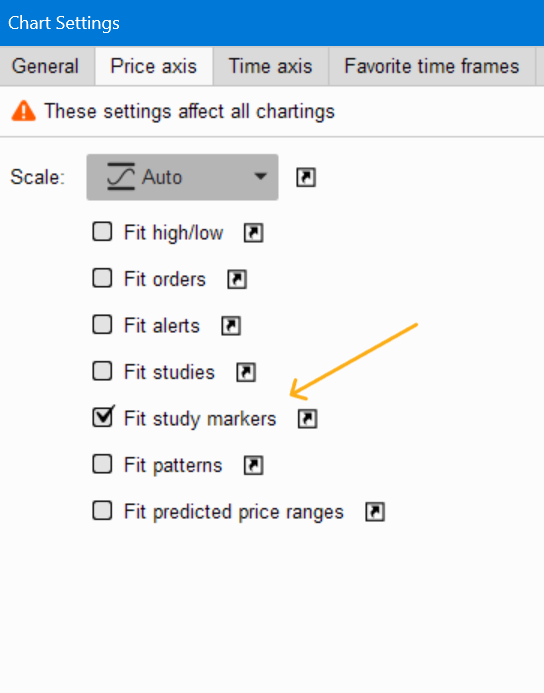
Go to Price axis, and click Fit study markers.
But beware. The chart will be squished. In your attempt to set an extreme zone and plot the indicator.

Ben's Swing Trading Strategy + Indicator
I wouldn't call this a course. My goal is zero fluff. I will jump right into my current watchlist, tell you the ThinkorSwim indicator that I'm using, and past trade setups to help you understand my swing trading strategy.
Join useThinkScript to post your question to a community of 21,000+ developers and traders.
Similar threads
-
 Opening Range Breakout Strategy with Market Volatility for ThinkorSwim
- Started by BenTen
- Replies: 168
-
Opening Range Breakout with Directional Day Filter for ThinkorSwim
- Started by BenTen
- Replies: 6
-
-
-
 Opening Range Indicator with Measured Moves and VWAP For ThinkOrSwim
- Started by FutureTony
- Replies: 46
Not the exact question you're looking for?
Start a new thread and receive assistance from our community.
Similar threads
-
Opening Range Breakout Strategy with Market Volatility for ThinkorSwim
- Started by BenTen
- Replies: 168
-
Opening Range Breakout with Directional Day Filter for ThinkorSwim
- Started by BenTen
- Replies: 6
-
-
-
Opening Range Indicator with Measured Moves and VWAP For ThinkOrSwim
- Started by FutureTony
- Replies: 46
Similar threads
-
Opening Range Breakout Strategy with Market Volatility for ThinkorSwim
- Started by BenTen
- Replies: 168
-
Opening Range Breakout with Directional Day Filter for ThinkorSwim
- Started by BenTen
- Replies: 6
-
-
-
Opening Range Indicator with Measured Moves and VWAP For ThinkOrSwim
- Started by FutureTony
- Replies: 46
The Market Trading Game Changer
- Exclusive indicators
- Proven strategies & setups
- Private Discord community
- ‘Buy The Dip’ signal alerts
- Exclusive members-only content
- Add-ons and resources
- 1 full year of unlimited support
Frequently Asked Questions
useThinkScript is the #1 community of stock market investors using indicators and other tools to power their trading strategies. Traders of all skill levels use our forums to learn about scripting and indicators, help each other, and discover new ways to gain an edge in the markets.
We get it. Our forum can be intimidating, if not overwhelming. With thousands of topics, tens of thousands of posts, our community has created an incredibly deep knowledge base for stock traders. No one can ever exhaust every resource provided on our site.
If you are new, or just looking for guidance, here are some helpful links to get you started.
- The most viewed thread:
https://usethinkscript.com/threads/repainting-trend-reversal-for-thinkorswim.183/ - Our most popular indicator:
https://usethinkscript.com/threads/buy-the-dip-indicator-for-thinkorswim.3553/ - Answers to frequently asked questions:
https://usethinkscript.com/threads/answers-to-commonly-asked-questions.6006/